petsBreed Guide
Border Collie Dog Food Guide
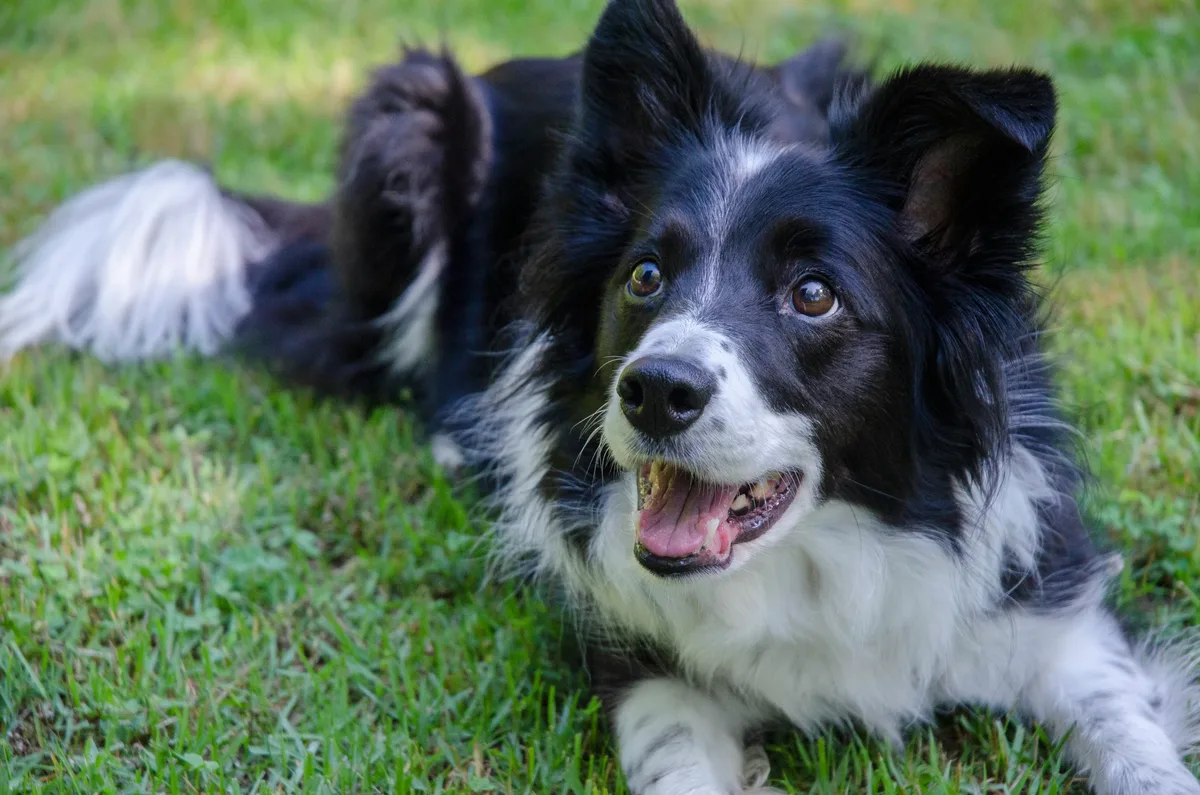
The Border Collie is widely regarded as the most intelligent dog breed. Their extremely high activity level means they need high-protein, energy-rich food. Hip dysplasia prevention through joint-supporting nutrients and weight management is key.
Table of Contents
Basic Info & Common Health Issues
| Average Weight | 14–20 kg |
| Average Lifespan | 12–15 years |
| Coat Type | Double coat, moderate to heavy shedding |
| Common Health Issues | Hip dysplasia, progressive retinal atrophy (PRA), epilepsy, Collie Eye Anomaly (CEA) |
| Activity Level | Very high (needs significant daily physical and mental stimulation) |
Nutrition Guide by Life Stage
Puppy (0–12 months)
- checkMedium or large breed puppy formula as appropriate
- checkAvoid calcium over-supplementation for skeletal health
- check2–3 meals per day after 4 months
- checkDHA for brain and neural development
Adult (1–7 years)
- checkActive or working dog formula for high-energy needs
- checkHigh animal protein content (25%+)
- checkGlucosamine & chondroitin for joint support
- checkFlexible portion adjustment based on activity
Senior (7+ years)
- checkLower calorie density as activity decreases
- checkMaintained high-quality protein for muscle preservation
- checkContinued glucosamine & chondroitin
- checkMonitor weight closely
Daily Calorie & Feeding Amount by Weight
Based on RER (Resting Energy Requirement) = 70 × weight(kg)^0.75. Maintenance energy for a neutered adult is typically RER × 1.4–1.6.
| Weight | Daily Calories (adult, neutered) | Approx. Amount (400 kcal/100g) |
|---|---|---|
| 14 kg | ~780–890 kcal/day | ~195–223 g |
| 16 kg | ~860–980 kcal/day | ~215–245 g |
| 18 kg | ~940–1,070 kcal/day | ~235–268 g |
| 20 kg | ~1,010–1,155 kcal/day | ~253–289 g |
High-Activity Dog Nutritional Needs
Border Collies burn significantly more energy than average dogs. On active days, they may need 20–30% more calories than a sedentary dog of similar size. Adjust portions based on actual activity level.
- checkReduce portions by 10–20% on low-activity days
- checkHigh-quality animal protein supports muscle maintenance
- checkCheck glucosamine (500 mg/kg+) content for hip joint support
- checkOmega-3 (EPA+DHA) helps manage joint inflammation
- checkWeigh every 2–4 weeks and adjust feeding accordingly
What to Look for in Food
Rather than recommending specific brands, here are the food criteria that tend to work well for Border Collies.
- checkMedium to large breed adult formula
- checkHigh-quality animal protein as first ingredient (25%+ protein)
- checkGlucosamine & chondroitin for joint health
- checkOmega-3 (EPA+DHA) included
- checkAppropriate calorie density for activity level
보더 콜리 추천 사료
아래 제품은 참고용 예시입니다. 반드시 우리 아이 상태와 수의사 의견을 우선하세요.
광고 수수료 안내 — 이 포스팅은 쿠팡 파트너스 활동의 일환으로, 이에 따른 일정액의 수수료를 제공받습니다. 구매 가격에는 영향이 없으며, 제품 선정은 수수료와 무관하게 영양 기준에 따라 중립적으로 작성됩니다.
Frequently Asked Questions
Q. What food is best for a Border Collie?
A high-protein medium-to-large breed formula with at least 25% protein from quality animal sources, glucosamine and chondroitin for hip joint support, and omega-3 for inflammation reduction. On highly active days, calorie needs can be 20–30% higher than average.
Q. How do I adjust food portions based on my Border Collie's activity level?
On active exercise days, feed at the standard recommended amount. On low-activity indoor days, reduce by 10–20%. Weigh your dog every 2–4 weeks and adjust if weight deviates more than 10% from ideal.
Q. What nutrients support hip joint health in Border Collies?
Glucosamine (500 mg/kg or more) and chondroitin in the food help maintain joint cartilage. Omega-3 (EPA+DHA) reduces joint inflammation. However, maintaining an ideal body weight is the single most impactful preventive measure against hip dysplasia.
Q. When do Border Collies need senior food?
Border Collies are generally considered senior around 7–8 years. Transition to a senior formula featuring lower calorie density, continued joint support, and high-quality digestible protein. Timing should be guided by activity level changes and vet health checks.